Table of Contents
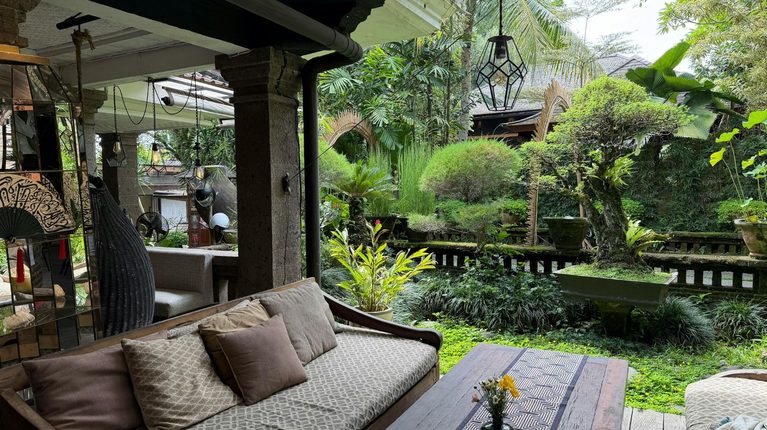
ToggleA patio that stays comfortable in summer is designed to give insects fewer reasons to visit. Removing standing water, choosing warm-toned lighting, planting with care, improving airflow, and adding screens do most of the work. Deterrent devices play a small, uncertain role outdoors, and the evidence on them is mixed.
Most patio makeovers start with furniture and finish with a complaint about mosquitoes. The two are connected because the layout, lighting, and planting you choose decide how many insects settle in. A few early design decisions matter more than any product added later.
Which Design Choices Reduce Insect Pressure?
Water comes first. Mosquitoes breed in standing water, and a saucer, blocked gutter, or decorative bowl can host a new generation in about a week. Tilt planters so they drain, empty trays weekly, and keep water features moving, since still water attracts them.
Lighting is the second lever. Many flying insects are drawn to bright, cool-white light, so place warm-toned or amber bulbs away from seating to pull them away from where people sit. Putting a light at the far edge of the patio, rather than over the table, moves insects to the edge as well.
Airflow helps more than most people expect. Mosquitoes are weak fliers, and a ceiling fan or a floor fan on the seating area makes it hard for them to land. Many people also look for a gadget to fill the remaining gaps, and before buying one, it is worth figuring out do ultrasonic pest repellers work, because the answer is mixed. Planting also helps: herbs such as basil and lavender add scent and look good, though their repellent effect in the open is modest.
The table below summarizes the main design choices and what each one does.
| Design choice | What it addresses | How well it works |
| Draining or emptying standing water | Mosquito breeding | Strong |
| Warm-toned lighting away from seating | Moths, flies, and other flying insects | Moderate |
| Fans on the seating area | Mosquitoes landing | Good at close range |
| Screens and enclosures | All flying insects | Strong |
| Scented plants | Some insects, at close range | Weak to modest |
The strongest options are the physical ones, which is why materials and structure matter more than accessories. The next section looks at what to build with.
What Materials and Screening Work Best?
Screening is the most reliable way to keep insects out, because it blocks them physically. A fine mesh, around 18 by 16 strands per inch, stops most mosquitoes and flies, while smaller midges need a finer weave. Fiberglass mesh is cheap and easy to fit, and aluminum lasts longer in wind.
Drainage and surfaces matter too. A patio that slopes slightly away from the house sheds water, and gravel or paving laid on a proper base leaves fewer puddles than a flat, low-lying slab. Keep mulch thin and away from the foundation, since damp mulch shelters ants, earwigs, and other pests close to the house.
Furniture can help or hinder. Cushions and umbrellas that stay damp encourage mold and insects, so choose quick-drying fabrics and store cushions when it rains. Sealed outdoor bins for rubbish and compost also reduce flies and wasps.
What Does a Covered or Semi-Enclosed Space Change?
A pergola with screened panels, a gazebo with mesh walls, or a covered porch with a door changes the problem completely. Instead of trying to repel insects in the open, you block them from a defined area. That is why screened rooms are the most dependable option for people who are bothered by bites.
Covering a patio also reduces the moisture and shade insects prefer around the edges. Gaps matter, though, because a small opening at the base or around a door lets insects in. Fit a door sweep, close seams with weatherstripping, and check the mesh at the start of each season.
Open-air patios can still work well with the other measures in place. Fans, warm lighting, and good drainage keep most evenings comfortable, and a screened corner gives you somewhere to retreat when insects are at their worst.
What Should You Expect From Deterrent Devices Outdoors?
Ultrasonic devices are weakest for open-air use. Sound spreads quickly, plants and furniture block it, and insects can get used to it, so the effect on a patio is likely small.
That does not make devices useless in every setting. Some people report modest effects on certain species in enclosed spaces such as a garage or shed, and others see little change. Think of them as an optional extra on top of drainage, lighting, airflow, and screening, never as a replacement.
Other options carry their own limits. Citronella candles offer a small, short-range effect, while fans and personal repellents applied to the skin work better at close range. A bug zapper kills insects but mostly catches harmless ones, so it does little for biting species. For most patios, the design choices above will do more than any gadget.
Frequently asked questions
How do I keep mosquitoes off my patio?
Remove standing water, run a fan on the seating area, and use warm-toned lighting away from the table. Screening the space is the most reliable method.
Do plants like lavender or basil repel insects?
Their effect in open air is modest. They add scent and look good, but they should not be your main protection.
What mesh size stops mosquitoes?
A mesh of about 18 by 16 strands per inch stops most mosquitoes and flies. Smaller midges need a finer weave.
Do ultrasonic repellers work outdoors?
The evidence is mixed, and outdoor use is where it is weakest. Treat them as an optional extra.
Does patio lighting attract insects?
Bright, cool-white light attracts many flying insects. Warm-toned bulbs placed away from seating attract fewer.