Table of Contents
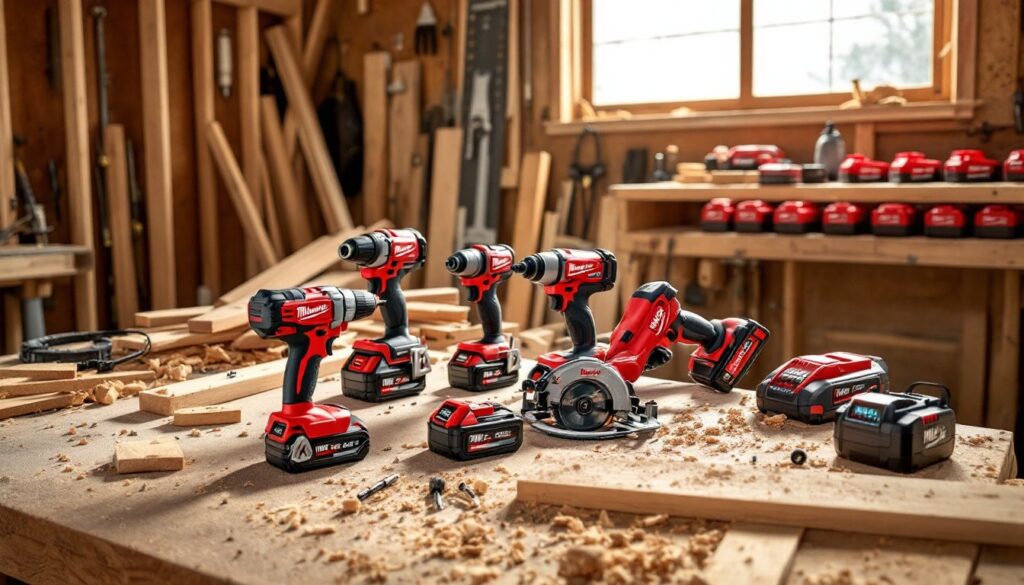
ToggleSerious DIYers and homeowners know that having the right tools makes or breaks a project. Milwaukee M18 cordless tools have become a go-to choice for anyone tackling everything from hanging drywall to building furniture. The M18 system offers real power, decent runtime, and cross-compatibility across dozens of tools, without the hassle of cords or the cost of multiple battery platforms. Whether you’re renovating a bathroom, assembling deck framing, or just fixing things around the house, understanding what the M18 lineup can do helps you make smarter purchases and avoid overspending on tools you’ll rarely use.
Key Takeaways
- Milwaukee M18 cordless tools offer cross-compatibility across dozens of models with a single 18-volt lithium-ion battery ecosystem, eliminating the need for multiple battery platforms and saving money on storage and replacements.
- Start your M18 collection with a drill-driver and impact driver combo kit ($200–$300), then add tools like reciprocating saws and circular saws one at a time based on your project needs to avoid overspending.
- M18 battery capacity ranges from 2.0 Ah for occasional users to 9.0 Ah for professionals, with runtime typically lasting 30 minutes to 2 hours depending on the tool and job demand.
- Proper maintenance—storing batteries in cool, dry environments, clearing dust from vents, and recharging every few months during storage—extends the lifespan of Milwaukee cordless tools significantly.
- Milwaukee M18 tools prioritize durability with rubber overmolded handles and reinforced gearboxes, backed by a solid three-year warranty that provides peace of mind for homeowners and DIYers.
What Makes Milwaukee M18 Stand Out in the Cordless Tool Market
Milwaukee’s M18 platform isn’t the lightest or the cheapest option out there, but it delivers consistent performance and a huge selection of tools built on one battery ecosystem. The 18-volt lithium-ion design offers enough power for demanding jobs while staying reasonably portable compared to larger 20-volt systems.
One key advantage is compatibility. Buy a couple of M18 batteries and a charger, and you can run everything from drills to circular saws, impact wrenches, and even some outdoor equipment. That ecosystem saves you money and storage space in the long run. You’re not stuck buying proprietary batteries for each tool.
Durability matters on a job site or in a garage. Milwaukee designs these tools to take knocks and keep working. Rubber overmolded handles and reinforced gearboxes aren’t glamorous, but they mean your tools survive drops and heavy use. The company also offers a solid warranty, typically three years on cordless tools, which gives you peace of mind if something fails.
Runtime and power depend on the battery capacity and the tool’s demand. A 5.0 Ah battery running a drill will last longer than the same battery powering a circular saw, but Milwaukee gives you options to match your needs. Compare that flexibility to single-tool batteries, and the M18 system starts looking like genuine value.
Essential M18 Tools Every Homeowner Should Consider
Drills and Drivers
A compact drill-driver is the foundation of any cordless collection. The M18 compact drill weighs around 3.5 pounds and fits in tight spaces, studs, cabinet interiors, and narrow corners where a full-size drill won’t fit. It delivers enough torque for most fastening jobs and light hole-drilling, and the ergonomic grip reduces hand fatigue during longer sessions.
If you’re building decks, hanging heavy fixtures, or driving lag bolts into pressure-treated lumber, you’ll want an M18 impact driver. Impact drivers deliver rotational force in quick bursts, letting you sink fasteners without the binding and twisting that frustrates cordless drill users. They’re especially useful for outdoor work and structural framing. The compact models weigh under 4 pounds, and even smaller hands can handle them comfortably.
Impact Tools and Saws
For cutting, the M18 circular saw is a workhorse. It runs a 6.5-inch blade, which handles standard lumber, plywood, and composite decking without bogging down. The shoe adjusts for bevel cuts, and if you need angle cuts or fine crosscuts, a miter saw or table saw remains the smarter choice, but for ripping rough lumber or breaking down sheet stock on site, a cordless circular saw beats carrying a corded model or renting equipment.
An M18 reciprocating saw (also called a Sawzall, though that’s a brand name) cuts through nails, PVC, metal studs, and drywall. Demolition work, plumbing runs, and electrical rough-ins are faster and cleaner with one. Buy a variety of blades, wood-cutting, metal-cutting, and fine-cut types, and you’re ready for almost any demolition or remodel task.
Battery Performance and Compatibility Across the M18 System
Milwaukee M18 batteries come in several capacities: 2.0 Ah, 3.0 Ah, 4.0 Ah, and 5.0 Ah, plus larger 6.0 Ah and 9.0 Ah variants for heavy users. Higher capacity means longer runtime but also heavier weight and longer charge time. A 3.0 Ah battery suits occasional homeowners: 4.0 to 5.0 Ah works for regular projects: 6.0 Ah and above target professional contractors.
Charging time varies by charger. A basic charger might take 30–90 minutes per battery depending on capacity. Milwaukee’s rapid chargers cut that to 20–40 minutes, which matters if you’re running multiple batteries in a long work session. Keep spare batteries on hand, while one charges, you keep working.
The M18 battery communicates with M18 tools, delivering the right power curve and preventing over-discharge. That smarts in the battery extends lifespan compared to older cordless systems. Real-world runtime depends on the tool and the job. Drilling holes in soft wood drains a battery slower than driving fasteners into hardwood or running a saw continuously. Expect 30 minutes to 2 hours of active work per battery, depending on the capacity and tool.
One caveat: M18 batteries don’t fit M12 tools (Milwaukee’s 12-volt system) or vice versa. Plan your purchases around one platform to avoid confusion and waste.
Getting Started: Building Your M18 Collection on a Budget
You don’t need the entire M18 catalog to tackle real projects. Start with a drill-driver and impact driver combo kit, which typically includes two batteries, a charger, and both tools for around $200–$300. That covers fastening, light drilling, and assembly work for most homeowners.
Add tools one at a time as your projects demand them. A reciprocating saw ($80–$150 bare tool) opens up demo and remodel work. A circular saw ($100–$180) handles rough cutting. Professional carpenters and deck builders will eventually add a miter saw, impact wrench, and level, but those are nice-to-haves, not must-haves.
Battery bundles sometimes offer better value than buying solo. If a kit with extra batteries costs only $20 more than a bare tool, grab it, spare batteries are always useful. Outlet sales, seasonal discounts, and tool-specific promotions can drop prices 15–25%, so timing matters. This page reviews the top Milwaukee power tools and highlights which M18 models deliver the best bang for buck, which helps narrow your choices.
If you’re serious about building furniture or doing fine woodworking, Fix This Build That offers detailed project plans and workshop setup guidance that meshes well with a growing M18 collection. You’ll understand which tools actually solve real problems versus which sit in a drawer.
Maintenance and Care for Long-Term Tool Reliability
Cordless tools last longer when you respect the batteries and clean dust from motor vents. Store batteries in a cool, dry spot, extreme heat or cold reduces lifespan and temporary performance. Never leave batteries in a hot truck bed or freezing garage for weeks.
After dusty jobs, cutting drywall, sanding lumber, or grinding concrete, use compressed air to clear dust from cooling vents and tool seams. Dust buildup traps heat and makes motors work harder. On saws, check the blade regularly and swap it out when it dulls: a dull blade forces the motor to labor longer and heats the battery faster.
Keep the chuck (the gripping part on a drill) tight and free of sawdust. A loose chuck throws bit alignment and reduces precision. Wipe down handles and grips with a damp cloth to remove grime: wet slippery hands lead to accidents.
Battery maintenance is crucial. Drain batteries mostly before long storage, and recharge them every few months if you’re not using them regularly. Don’t leave them on a charger indefinitely. Milwaukee batteries include smart circuitry that prevents overcharge, but unnecessary charging cycles do wear lithium cells. This page testing the best Milwaukee tools includes durability assessments and long-term reliability data that reinforce why maintenance extends tool life significantly.