Table of Contents
ToggleMilwaukee Electric Tool Corporation has built a reputation as one of the most trusted names in the power tool industry, and its stock performance reflects that trust. For homeowners and DIY enthusiasts, understanding Milwaukee Tools stock isn’t just about investment returns, it’s about recognizing a company that’s consistently delivered the kinds of rugged, dependable tools you rely on for everything from drilling studs to cutting miter joints. As we move through 2026, Milwaukee’s market position has become increasingly relevant to anyone interested in both the home improvement industry and smart financial decisions. This guide breaks down what drives Milwaukee Tools’ stock value and why it matters to the DIY community.
Key Takeaways
- Milwaukee Tools stock performance signals broader trends in the home improvement market, consumer spending habits, and industrial demand that directly impact DIY and contractor communities.
- The company’s M18 and M12 cordless platforms generate ecosystem lock-in through battery and accessory sales, creating sustained revenue streams that drive Milwaukee Tools stock valuation.
- Strong Milwaukee Tools stock enables faster product innovation, better parts availability, and improved support for the DIY community, while weak stock performance may result in reduced development and discontinued accessories.
- Retailers like Home Depot and Lowe’s base inventory decisions on Milwaukee’s market momentum, meaning rising stock directly translates to increased shelf space, visibility, and consumer awareness for DIY shoppers.
- Smart tool integration through ONE-KEY technology and lithium-ion battery innovations position Milwaukee favorably as regulations tighten, making the stock resilient against emerging environmental and safety requirements.
What Is Milwaukee Tools and Why Investors Should Pay Attention
Milwaukee Electric Tool Corporation, now owned by industrial conglomerate TTM (formerly Techtronic Industries’ Milwaukee brand), designs and manufactures premium power tools, hand tools, and accessories used by professionals and serious DIYers alike. Their M18 and M12 cordless platforms have become industry standards, trusted for everything from framing work to trim carpentry.
The company’s stock relevance goes beyond tool enthusiasts. Milwaukee’s performance signals broader trends in the home improvement market, consumer spending habits, and industrial demand. When homeowners are confident enough to invest in quality tools and tackle renovation projects, Milwaukee benefits. When supply chain disruptions hit manufacturing, the stock responds. For DIYers, watching Milwaukee Tools stock gives insight into whether the company’s investing in innovation, the kind of R&D that produces better cordless drills, impact drivers, and circular saws.
Investors pay attention because Milwaukee Tools operates at the intersection of professional-grade quality and mass-market accessibility. The company isn’t just selling tools: it’s selling reliability and ecosystem lock-in, since users who buy into the M18 platform keep buying batteries and compatible accessories for years.
Understanding Milwaukee Tools Stock Performance
Historical Stock Trends and Market Position
Milwaukee Tools’ parent company, TTM, has historically tracked the broader home improvement and construction sectors. Stock performance tends to rise during periods of strong housing starts, renovation activity, and consumer confidence. The 2021–2023 period saw sustained demand as homeowners invested heavily in DIY projects and home upgrades during and after pandemic lockdowns.
But, 2024 and early 2025 brought headwinds: rising interest rates cooled housing markets, and consumers grew more cautious about discretionary spending. TTM’s stock reflected these pressures, though Milwaukee Tools’ strong brand loyalty and professional contractor base provided some stability. By mid-2025, the market began pricing in expectations for a gradual recovery, assuming interest rates would stabilize and home improvement activity would pick up again heading into 2026.
Historically, Milwaukee Tools stock tends to outperform broader market indices during strong economic cycles but underperforms during recessions. The company’s diversified geographic footprint, with significant revenue from Europe and Asia-Pacific regions, provides some hedging against regional downturns. Looking at comparable tool manufacturers and suppliers, Milwaukee consistently ranks in the top tier for brand recognition and customer loyalty.
Key Factors Driving Milwaukee Tools’ Market Value
Product Innovation and Market Demand
Milwaukee’s stock value hinges on the company’s ability to stay ahead of market demands. For 2026, several innovations are shaping investor confidence and end-user interest.
Cordless Technology and Battery Ecosystems. The M18 platform remains the backbone of Milwaukee’s growth. Newer battery chemistry, including high-output and ultra-compact variants, has expanded use cases, allowing users to tackle jobs previously reserved for corded tools. When Milwaukee announces a new battery or motor breakthrough, it signals opportunities for aftermarket accessory sales, which carry higher margins.
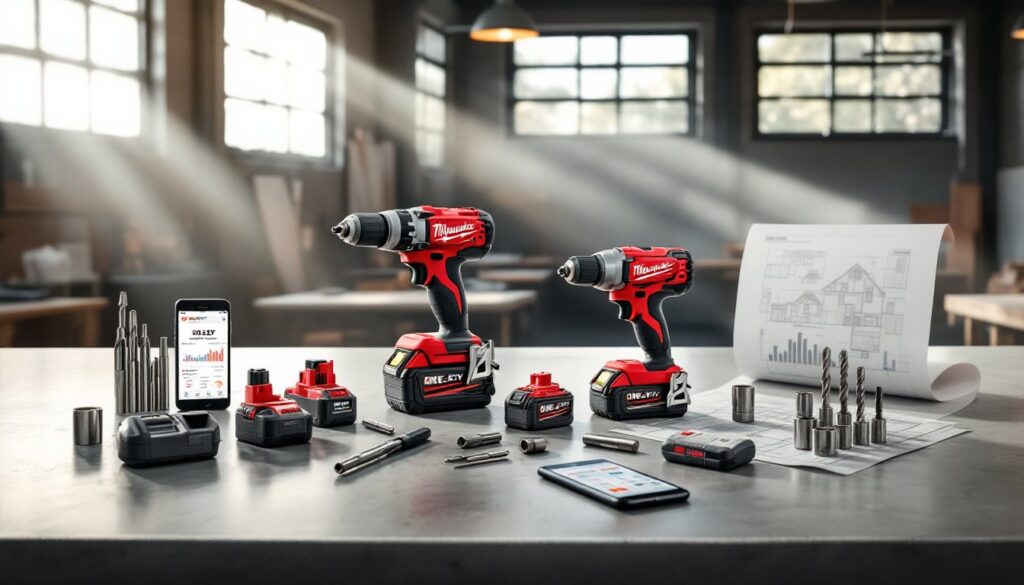
Smart Tool Integration. Milwaukee has been investing in app-connected tools and ONE-KEY technology, which allows users to track tool location, manage battery health, and optimize job sites. This subscription and data component appeals to contractors and facility managers, creating recurring revenue streams that boost stock valuations beyond one-time hardware sales.
Sustainability and Market Positioning. As regulations around emissions and workplace safety tighten globally, tool manufacturers face pressure to innovate responsibly. Milwaukee’s investment in lithium-ion battery improvements and reduced emissions from cordless equipment positions it favorably as hands-on DIYers and contractors seek compliant, environmentally conscious options.
Market demand for Milwaukee Tools remains robust in core segments: contractors tackling commercial projects, serious homeowners managing renovations, and hobbyists building in garages and workshops. Housing starts and commercial construction pipeline data directly influence quarterly earnings forecasts and stock momentum. During periods when builders are actively constructing, Milwaukee’s sales surge: conversely, if housing permits drop, stock sentiment weakens.
How Milwaukee Tools Stock Impacts the DIY and Home Improvement Industry
Milwaukee Tools’ stock performance and investment decisions ripple through the entire DIY ecosystem. When the stock is strong and capital is flowing, Milwaukee accelerates product development. Users benefit from faster innovation cycles, more frequent tool launches, and better competition on pricing and features. Conversely, if stock struggles and capital tightens, development slows, and users may see fewer new options.
The company’s market leadership also sets the tone for pricing and standards across the industry. When Milwaukee raises prices to protect margins, competitors often follow. When Milwaukee invests heavily in marketing and distribution, smaller tool brands feel the competitive pressure. For homeowners and DIYers, this shapes what tools are available on shelves, what bundle deals exist, and where the industry’s innovation energy flows.
Stock performance also signals the company’s health and commitment to customer support. Strong-performing companies maintain parts availability, produce replacement batteries, and continue service for older tools. A struggling stock might see reduced support, discontinued accessories, or delayed replacements, frustrations any tool owner dreads.
Beyond product, Milwaukee’s stock strength influences the entire home improvement retail ecosystem. Home Depot, Lowe’s, and independent hardware stores base inventory decisions on tool manufacturer health and momentum. When Milwaukee stock rises, retailers allocate more shelf space and promote their products more aggressively. This visibility drives consumer awareness and trial, which in turn boosts adoption among DIYers exploring the best Milwaukee tools available. The feedback loop is powerful: strong stock → stronger marketing and distribution → higher consumer awareness → more sales → stronger earnings → higher stock valuation.
Finally, Milwaukee’s R&D investments funded by strong stock performance benefit the broader industry. When Milwaukee breaks through on a new battery chemistry or motor design, competitors respond by innovating too, raising the bar for everyone. DIYers win because the entire tool market advances faster when the market leader is well-capitalized and confident about the future. Real innovation, the kind that produces genuinely better tools rather than cosmetic updates, depends on companies having the capital and confidence to take risks.
Conclusion
Milwaukee Tools stock reflects the health and momentum of the company, the home improvement market, and the broader economy. For DIYers and homeowners, keeping an eye on Milwaukee’s performance provides insight into whether the company’s backing new innovations, supporting its product ecosystem, and staying competitive. Strong stock performance translates to better tools, faster innovation, and more robust support for the DIY community. While stock picking isn’t for everyone, understanding Milwaukee Tools’ market position helps you make informed decisions about which tools to invest in and whether you’re buying from a company with long-term staying power.