Table of Contents
ToggleStarting a DIY project doesn’t require dropping thousands on name-brand equipment. Affordable power tools have come a long way in recent years, offering solid performance at price points that won’t drain your bank account. Whether you’re hanging shelves, building a deck, or tackling a full kitchen renovation, the right affordable power tools can handle the job just as capably as premium alternatives, if you know what to look for. This guide walks through the best value options for DIYers, where to find them, and how to keep them running strong so you get years of service.
Key Takeaways
- Affordable power tools deliver solid performance matching premium alternatives when you match tool capability to your actual DIY needs, without sacrificing quality for brand prestige.
- A cordless drill-driver paired with an impact driver creates a capable two-tool foundation for under $200, with battery compatibility and dual-speed transmission being critical features to prioritize.
- Circular saws and jigsaws together cover 80% of cutting tasks for roughly $150–$180, making them essential additions to any budget-conscious home workshop.
- Big-box retailers like Home Depot and Lowe’s offer the best deals on affordable power tools through volume discounts and bundle promotions that save $30–$50 compared to separate purchases.
- Proper maintenance—including regular dust removal, correct battery storage at 50–60% charge, and blade replacement—extends the lifespan of affordable tools and maximizes years of service.
- Stick with established manufacturers like Milwaukee, DeWalt, Makita, Bosch, and Ryobi even when buying affordable lines, ensuring parts availability and resale value if you ever upgrade.
Why Affordable Doesn’t Mean Low Quality
The assumption that cheaper tools are garbage tools is outdated. Many budget-friendly power tool brands now manufacture with solid engineering and materials that rival mid-range competitors. The difference between a $80 cordless drill and a $200 one often isn’t durability, it’s ergonomic refinements, brushless motors, or battery capacity that pro contractors justify spending more on. A homeowner tackling occasional projects doesn’t need those upgrades.
What separates genuine budget tools from junk is honest manufacturing. Reputable brands with established distribution networks, even their entry-level lines, use consistent quality control. They’re not cutting corners on gearbox durability or chuck reliability: they’re trimming marketing spend, packaging, and added features. When a drill sits in a contractor’s van for years taking daily abuse, it proves durability. When it finishes 50 shelves and a deck without complaint, that’s enough for most DIYers.
The key is matching tool capability to your actual use. A mid-range 18V lithium-ion drill will outlast your interest in using it for weekend projects. A budget circular saw with a quality blade cuts as straight as an expensive one. You’re not sacrificing the work, you’re just losing the premium feel and brand prestige.
Essential Affordable Power Tools Every DIYer Needs
Cordless Drills and Impact Drivers
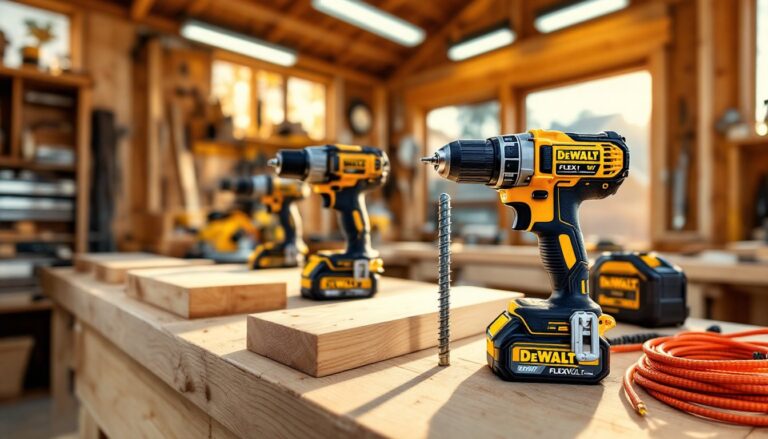
A cordless drill-driver is the workhorse of any home <a href="https://thecelticcenter.com/workshop-tools-and-equipment/”>workshop. Budget models in the 12V to 18V range deliver enough torque for most household tasks, fastening drywall, drilling through studs, driving lag bolts into framing. Look for one with at least two batteries and a charger: two packs let one charge while you work, keeping momentum going.
Drill speed matters more than raw power for DIY work. Most affordable models offer dual-speed transmission (low torque, high speed or vice versa), which handles everything from precision drilling in delicate trim to driving chunky fasteners into pressure-treated lumber. A variable-speed trigger gives you better control than fixed-speed tools.
If you’re fastening repetitive hardware or driving many bolts, an impact driver changes the game. It’s smaller, faster at driving, and less fatiguing than a drill alone. Budget impact drivers cost $60–$100 and integrate with the same batteries as drills, so you’re not buying separate systems. Pair one with a mid-range drill for under $200 total, and you’ve got a capable two-tool foundation.
When shopping, check battery compatibility. Some brands lock you into proprietary packs at premium prices: others use cross-compatible platforms that cost less over time. Read user reviews on runtime, claimed specs often overshoot real-world performance by 20–30%.
Circular Saws and Jigsaws
A circular saw is essential for straight crosscuts and rip cuts in lumber and sheet goods. Budget models run $50–$100 and come in corded or cordless versions. Corded saws offer consistent power and no battery management: cordless is convenient but heavier and slower through thick material. A 7.25″ blade handles standard 2x lumber and plywood comfortably.
For rough framing or outdoor work where cords are a hassle, cordless makes sense. For inside projects where you can plug in, a corded saw is lighter, cheaper, and never leaves you mid-cut with a dead battery. Either way, budget saws cut accurately if the blade is sharp and the base plate is flat.
A jigsaw handles curved cuts, internal cutouts, and detail work that a circular saw can’t. Affordable versions ($40–$70) work fine for home projects. What matters is a tight blade clamp (wobble ruins cuts) and variable-speed control so you don’t melt laminate or tear veneer. Orbital settings help clear sawdust faster, but aren’t critical for occasional use.
Pair a circular saw with a jigsaw for roughly $150–$180, and you cover 80% of cutting tasks. Woodworking tools for home workshop projects rely on accurate cutting, so don’t cheap out on blades, spend a few extra dollars on carbide-tipped blades that stay sharp longer.
Budget Shopping Tips: Where to Find the Best Deals
Big-box hardware stores (Home Depot, Lowe’s) move affordable tools in volume, so they often undercut specialty retailers on entry-level brands. They also run frequent promotions on bundle deals, drill plus impact driver plus batteries and charger, that save $30–$50 compared to buying separately.
Online retailers like Amazon sometimes offer lower list prices, but factor in shipping time and return policies. Some sellers price-match big-box stores, making it worth a quick call before checking out.
Watch for seasonal sales. Post-holiday sales (January, July) clear stock and drop prices. Black Friday and Labor Day weekends also move discounted tool kits. If you don’t need something urgently, waiting two weeks for a sale often saves 15–25% on affordable tools, that’s real money on a $300 investment.
Don’t overlook refurbished or open-box items from authorized retailers. Tools sitting in a showroom or returned within the return window are often marked down 20–30% and come with the same warranty as new. Family Handyman and similar guides frequently showcase budget-friendly tool deals and reviews that can steer you toward current best values.
Brand reputation matters for resale and parts availability. Lesser-known brands sometimes disappear in a couple years, leaving you unable to buy replacement batteries or find support. Stick with established manufacturers, Milwaukee, DeWalt, Makita, Bosch, Ryobi, even at budget price points. Their affordable lines have proven track records.
Making Affordable Tools Last: Maintenance and Care
Affordable tools last when you treat them like they cost more. Dust and debris are the enemy, they jam bearings, clog motors, and wear out gearboxes. After each session, blow out dust with compressed air (or a hand pump if you’re off-grid). Store tools in a dry place: rust on steel parts and corrosion on electronics silently kill tools.
Batteries need attention. Lithium-ion packs degrade fastest when stored fully charged or fully drained. If you’re storing tools for winter, charge batteries to 50–60% and keep them cool. Never leave them plugged in on the charger continuously, most modern chargers shut off once full, but age and cheap chargers can overcharge and damage cells.
Chucks and collets loosen with use. Every few months, tighten your drill chuck by hand and check that saw blade bolts are snug, a loose blade walks and binds. Replace bits and blades when they dull: a dull tool works harder, heats up, and strains the motor. Cheap bits and blades are fine, but replace them often.
Keep your home workshop tools organized and accessible. Tools sitting in a damp garage under boxes rust and get forgotten. A simple wall rack or plastic bin makes maintenance visible, you’ll notice a loose handle or corroded battery contact before it becomes a real problem.
Most affordable tools carry 1–3 year warranties covering manufacturer defects. Register your tool online if the brand offers it: it proves purchase date for warranty claims. Read the manual for maintenance intervals, it’s often just oil or grease in specific spots, but skipping these steps voids coverage.
Conclusion
Building a capable workshop on a budget is entirely realistic in 2026. Smart tool selection, strategic shopping, and basic maintenance turn affordable power tools into reliable collaborators for years of projects. Start with cordless drills and circular saws, add a jigsaw when you need it, and you’ve got a practical foundation that most DIYers never outgrow. The most expensive tool is the one you don’t use, so buy what matches your actual projects, not someday dreams.