Table of Contents
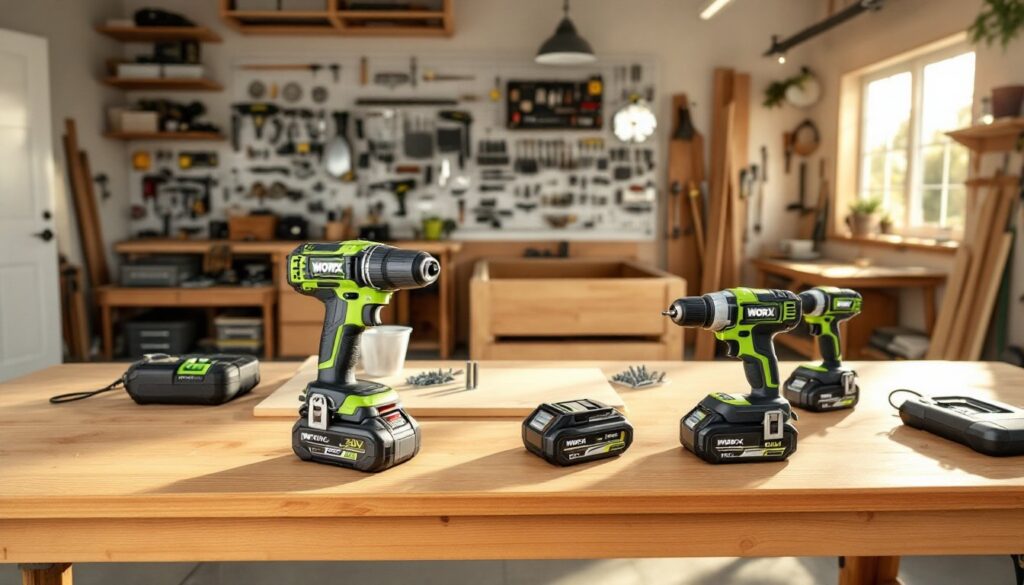
ToggleWhether you’re hanging shelves, building a deck, or tackling a kitchen remodel, having reliable power tools makes the difference between a weekend well spent and a frustrating slog. Worx power tools have earned a solid reputation among DIY enthusiasts for delivering professional-grade performance without the premium price tag. The brand’s focus on innovation, think tool-free attachments, compact designs, and battery compatibility, appeals to homeowners who want dependable equipment that won’t clutter a modest workshop. In 2026, as more DIYers embrace battery-powered alternatives to gas and corded options, Worx continues to refine its lineup to meet real needs on job sites and in garages across the country.
Key Takeaways
- Worx power tools deliver professional-grade performance at mid-range pricing, making them ideal for DIY enthusiasts who want durability without premium contractor costs.
- The interchangeable 20V and 40V battery systems across Worx’s entire tool lineup eliminate redundant battery purchases and simplify workshop management.
- Brushless motors in higher-end Worx models require less maintenance and provide longer runtime compared to brushed alternatives, reducing replacement trips and extending tool lifespan.
- Choosing the right Worx power tool depends on matching voltage (20V for light projects, 40V for sustained heavy work) and battery amp-hours to your project demands rather than buying all tools at once.
- Tool-free design elements like quick-change chucks and blade systems save time during use, while compact designs fit well in shared garage spaces and modest workshops.
- Regular maintenance—including cool storage of batteries, clearing motor vents, and keeping blades sharp—extends the life of Worx tools and improves both safety and cutting quality.
Why Worx Power Tools Stand Out for DIY Enthusiasts
Worx has carved out a niche by focusing on what DIYers actually need: tools that work hard, stay in good shape, and don’t require a separate battery ecosystem for each brand in your shed. The company’s 20V and 40V battery systems are interchangeable across dozens of tools, meaning a single battery pack powers your drill, circular saw, and hedge trimmer, a real convenience when you’re switching between tasks.
Durability matters when you’re learning on the job. Worx tools use brushless motors in most of their higher-end models, which means less maintenance and longer runtime compared to brushed alternatives. A brushless motor has fewer moving parts that wear out, translating to fewer trips back to the rental counter or big-box store for replacements.
Price-to-performance is another draw. While Worx isn’t the absolute cheapest, it sits comfortably between discount brands that fail after a season and premium brands aimed at contractors running jobs full-time. A homeowner doing seasonal projects gets genuine value. The company also includes solid warranty coverage, typically three years on tools and batteries, which shows confidence in the product and protects your investment.
Another practical advantage: many Worx tools feature tool-free design elements. Changing a saw blade or drill chuck without hunting for an allen key or wrench saves time and frustration. That simplicity appeals to someone who might not spend hours in a workshop every week.
Exploring Worx’s Essential Tool Categories
Worx offers a broad range that covers most common DIY tasks. Understanding which categories matter for your projects helps you build a toolkit strategically instead of buying duplicates or tools you’ll rarely use.
Cordless Drills and Impact Drivers
A cordless drill-driver is usually the first power tool a DIYer buys, and Worx’s 20V drill line is reliable for hanging drywall, assembling furniture, and running fasteners into wood and light masonry. Look for models with a half-inch chuck (the part that grips the bit) and variable speed control, important for switching between delicate work like assembling cabinets and heavy-duty driving into tough material.
Impact drivers are the heavier cousin. They deliver rotational force differently than drills, applying rapid bursts that drive long fasteners or loosen stuck bolts without the binding or wrist torque that sometimes happens with a regular drill. If you’re framing, building outdoor structures, or doing any work with structural screws or bolts, an impact driver earns its place. Worx impact drivers in the 20V range handle most residential fastening, though bigger jobs might call for the 40V models.
Saws and Cutting Tools
Circular saws, miter saws, and reciprocating saws form the backbone of cutting work. A 7.25-inch cordless circular saw from Worx handles cross-cuts on dimensional lumber, plywood, and composite materials. The cordless advantage is obvious: no extension cord snaking across a worksite, and the motor responds instantly without the warm-up time of gas models.
Miter saws make clean angle cuts, essential for trim, molding, and framing. Worx’s cordless models deliver consistent results if you take time to square the blade and fence first, a step many rush through. Build in prep time: a saw is only as accurate as the setup allows.
Reciprocating saws (also called sawzalls) excel at demolition, plunge cuts, and irregular shapes. They’re louder and create more dust than circular saws, so wear a dust mask or respirator rated for the particles you’re cutting. Reciprocating saws are genuinely dangerous if you’re careless, wear eye protection and keep both hands on the tool. Resources like Today’s Homeowner provide detailed safety guidance for power tool operation.
How to Choose the Right Worx Tool for Your Project
Picking the right tool starts with knowing what you’re building or fixing. A homeowner installing floating shelves needs a drill and basic fasteners: someone building a raised garden bed or fence post needs more power and torque. Match the tool to the task intensity, not just the task itself.
Voltage matters. The 20V systems are lighter, cheaper, and plenty for most home projects, drywall, framing, furniture assembly, basic cutting. The 40V models deliver more sustained power and runtime, worth considering if you’re running longer jobs or need to work continuously without swapping batteries. Don’t pay for 40V power if your projects finish in an hour.
Battery amp-hours (Ah) affect runtime. A 1.3 Ah battery runs shorter than a 4 Ah battery. If you’re doing an all-day project, higher capacity saves frustration, but it also adds cost. Many DIYers find a mix, one smaller battery for light tasks, one larger one for heavy work, strikes a balance.
Consider your workspace and storage. Worx tools are generally compact, a real advantage in a garage shared with cars or a basement workshop. Measure before buying: don’t assume compact means it fits where you thought.
Building out a power tools for your home workshop collection shouldn’t happen all at once. Start with a drill and a saw, then add specialized tools as projects demand. Advanced builders exploring techniques at Fine Homebuilding often recommend this staged approach, it spreads cost and lets you learn each tool’s quirks before adding complexity.
Worx Battery and Compatibility Advantages
Worx’s interchangeable battery platform is a game-changer for DIY simplicity. Unlike brands where each tool line requires its own batteries, Worx 20V batteries work across the entire 20V range, and 40V batteries work across 40V tools. A single charger handles multiple batteries, and you can rotate them while others recharge.
This approach cuts down on redundant purchases. Instead of buying separate batteries for a drill, circular saw, and impact driver, one or two batteries keep all three running. It also means when the cordless tool world inevitably advances, you’re not locked into obsolete batteries.
Charging time varies by charger type. Standard chargers take 60-90 minutes for a full charge: fast chargers cut that to 20-30 minutes but cost more upfront. For weekend warriors, a standard charger is fine. For someone doing back-to-back projects, fast charging saves dead time.
Battery degradation happens to all lithium-ion packs over time, roughly 3-5% capacity loss per year with normal use. Worx batteries are designed to minimize this, and the warranty typically covers defects. Avoid leaving batteries in extreme heat or cold, and don’t drain them completely every time: topping off a partially charged battery extends overall lifespan.
Real-world runtime depends on the task. Driving into hardwood demands more from a battery than driving into plywood. A 4 Ah battery powering a drill might run 45 minutes of active work, or three hours if you’re switching on and off. Expect these numbers to inform your purchasing, not as guarantees, but as ballpark figures for planning.
Maintenance Tips for Long-Lasting Performance
Power tools aren’t set-it-and-forget-it. Basic upkeep keeps Worx tools running smoothly and safely for years.
Batteries deserve attention first. Store them in a cool, dry place (ideal range is 50-68°F). Remove batteries from tools if you’re storing them for more than a few weeks: this prevents phantom drain and reduces strain on the cells. Check battery contacts for corrosion or debris every few months, and wipe them clean with a dry cloth if needed.
Keep motors clean. Dust and sawdust accumulate in ventilation ports, reducing cooling and shortening motor life. After a cutting session, use compressed air or a soft brush to clear ports and vents. Don’t use water or solvents near electrical connections.
Blades and bits get dull. A dull saw blade tears rather than cuts, leaving ragged edges and putting strain on the motor. Replace blades after they stop cutting cleanly. Drill bits work hard too: when a bit wanders or requires excessive pressure, it’s time for a replacement. Sharp bits and blades reduce motor strain and improve safety, a cleaner cut is a safer cut.
Check fasteners and moving parts occasionally. Vibration loosens bolts over time. If a tool feels wobbly or sounds different than usual, shut it down and inspect. Tighten chuck screws by hand before using the drill. Check that blade or bit attachments are fully seated.
Read the manual. Most failures come from using a tool wrong, not from defects. Knowing your specific model’s specs, recommended maintenance intervals, and load limits prevents headaches. Many enthusiasts consult Essential Home Workshop Tools guides and manufacturer documentation before starting unfamiliar work.
Proper maintenance isn’t burdensome, five minutes of upkeep per project session keeps tools ready when you need them and extends their working life significantly.