Table of Contents
ToggleStarting a woodworking project without the right hand tools is like trying to cook with dull knives, frustrating and inefficient. Whether you’re building a simple bookshelf, repairing cabinet doors, or tackling more ambitious furniture projects, having quality hand tools for woodworking sets the foundation for success. The good news? You don’t need a garage full of expensive equipment to get started. This guide walks through the essential hand tools every beginner woodworker should own, why they matter, and how to build a capable toolkit without very costly.
Key Takeaways
- Quality hand tools for woodworking provide better control, precision, and durability—a sharp chisel makes clean joints while a dull one tears grain and wastes hours of sanding.
- Start with essential hand tools: a handsaw, combination square, tape measure, four basic chisels, a hammer, and clamps—this beginner toolkit costs $200–$300 and covers 80% of projects.
- Invest in quality where it matters most—saws, chisels, and clamps directly impact your results, while vintage and secondhand tools offer excellent value if you know what to look for.
- Proper measuring and marking tools (tape measure, combination square, marking gauge) are critical for accuracy; precision prevents material waste and ensures joints fit perfectly.
- Safety gear including goggles, work gloves, and dust masks is non-negotiable and costs only $30–$50 compared to the far greater expense of injuries.
Why Quality Hand Tools Matter for DIY Woodworking Projects
Investing in quality hand tools separates successful projects from frustrating failures. A sharp chisel makes clean joints: a dull one tears grain and wastes hours of sanding. A reliable handsaw with proper tension cuts straight: a loose blade wanders and ruins stock.
Quality tools give you better control, require less physical effort, and last decades. Cheap hand tools often have loose handles, poorly machined edges, and frustrating tolerances that translate into sloppy work. When you’re measuring to a sixteenth of an inch or fitting joints, those tolerances matter.
Beyond precision, quality hand tools build confidence. When your tools respond predictably, you focus on technique and design rather than fighting equipment. You’ll also spend less time on frustration and more time actually enjoying the craft, which is the whole point.
Cutting and Shaping Tools Every Woodworker Needs
Saws, Chisels, and Planes for Precision Work
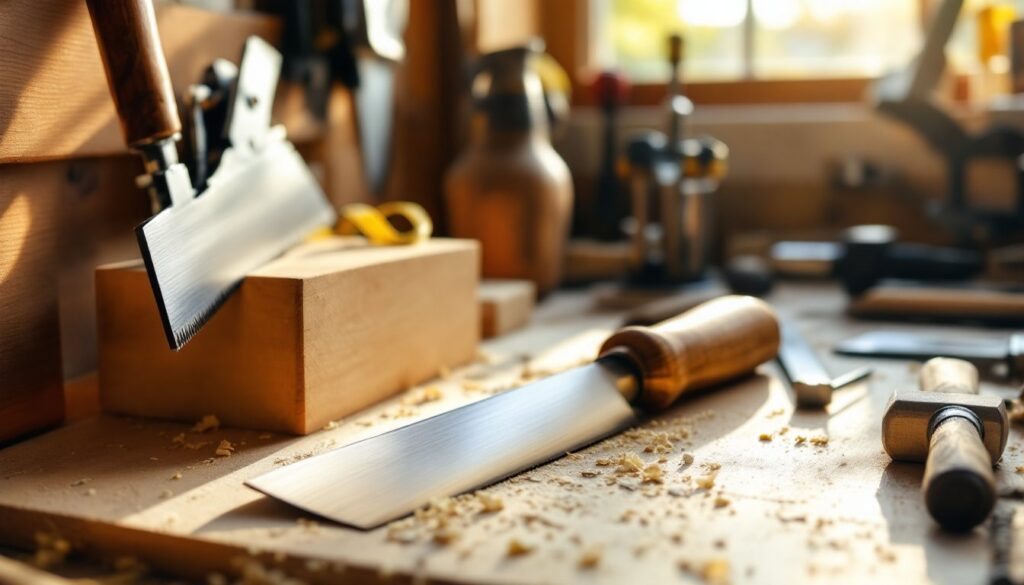
A quality handsaw is the backbone of any woodworking kit. A 20-inch crosscut saw (14-15 teeth per inch) handles most general cutting without requiring a power saw. It’s portable, quiet, and gives you the feel of the wood as you cut. Pair it with a back saw or tenon saw (12-inch blade, 14+ tpi) for precise joinery work like cutting mortises and dovetails. Back saws are shorter, stiffer, and perfect for controlled, accurate cuts.
Chisels are non-negotiable for detail work. Start with a basic set of four: 1/4-inch, 1/2-inch, 3/4-inch, and 1-inch widths. Look for Japanese chisels or quality Western bench chisels with laminated blades: they hold an edge longer and are easier to sharpen. Always wear safety goggles when chiseling, chisels can slip, and a sharp blade moving toward your hand is dangerous.
A hand plane (jack plane or jointer plane) removes high spots, flattens surfaces, and shapes edges without power tools. A No. 4 or No. 5 plane is versatile for general work. Planes require tuning and sharpening, but they deliver smooth surfaces that sandpaper alone can’t match. Resources like This Old House have excellent tutorials on plane setup.
Invest in a proper sharpening system early. Dull chisels and planes are dangerous and frustrating. Whetstones, honing guides, and stropping compounds keep edges razor-sharp. A dull tool requires more force, leading to slips and poor results.
Measuring and Marking Tools for Accuracy
Measure twice, cut once, this old rule exists because precision prevents waste. Start with a 16-foot tape measure (at least 3/4-inch wide for stiffness). Tape measures are essential for checking dimensions and layout.
A combination square (12-inch blade) is indispensable. It measures, marks 45° and 90° angles, and checks if surfaces are truly square. Use it constantly during layout and assembly.
A marking gauge (or mortise gauge for marking both sides simultaneously) scribes fine lines parallel to edges, critical for laying out joints. A pencil or sharp mechanical pencil for marking is standard, though a marking knife gives even finer lines for critical cuts.
A carpenter’s square (try square) checks that assembled joints are truly perpendicular. Don’t trust your eye on final assembly.
Consider a level for projects with horizontal or vertical elements. Even small tilts throw off appearance and function. Digital levels are helpful but not required, a spirit level works fine. Resources like Instructables provide detailed marking and measuring tutorials for specific joints.
Fastening Tools: Hammers, Screwdrivers, and Clamps
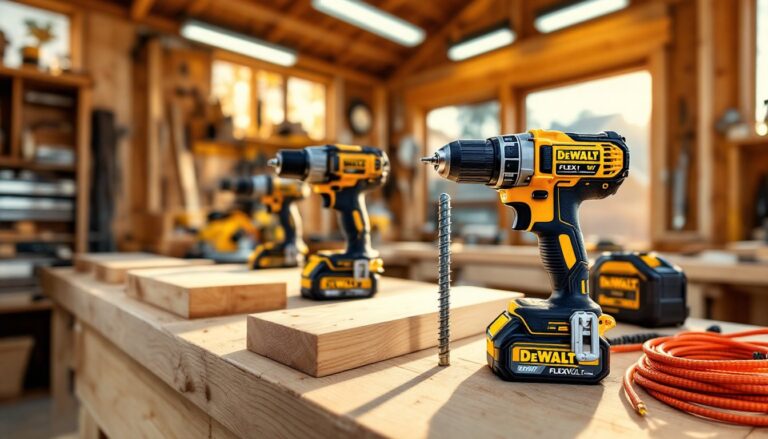
For fastening, keep a 16-ounce claw hammer with a smooth face for general nailing. The claw removes nails easily, saving stock from damage. Pair it with a set of nail punches to counter-sink nails below the surface, a technique that looks professional and hides fasteners.
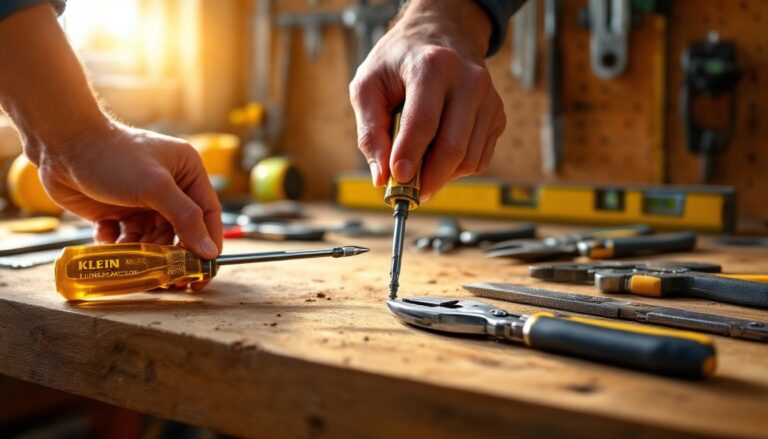
Screwdrivers should cover common Phillips and flathead sizes. A multi-bit screwdriver or compact set saves space. Hand screwdrivers give better control and feedback than power tools for delicate work. Wear gloves when hand-screwing into hard wood to prevent blisters.
Clamps are the unsung heroes of woodworking. They hold work while gluing, align joints during assembly, and free both your hands. Start with two 12-inch bar clamps and two 24-inch bar clamps, plus a handful of C-clamps in various sizes (2-inch, 4-inch, 6-inch). Parallel-jaw clamps distribute pressure evenly and won’t twist your work. Wood blocks between clamp jaws protect finished surfaces.
A speed clamp or one-handed clamp lets you adjust tension with one hand while positioning work, invaluable for tricky assemblies. Quality clamps cost more but provide reliable, even clamping pressure that cheap clamps can’t match.
Building Your First Woodworking Toolkit on a Budget
You don’t need everything at once. Start with essentials: a handsaw, combination square, tape measure, four basic chisels, a hammer, and a couple of clamps. This covers about 80% of beginner projects and costs $200–$300 total. Add a hand plane and additional chisels as projects demand them.
Buy quality where it matters most: saws, chisels, and clamps directly impact results. A premium Japanese saw ($40–$60) lasts years: a cheap saw ($10) frustrates you in weeks. Middle-ground brands like Veritas, Lie-Nielsen, and quality vintage tools offer excellent value.
Secondhand tools are goldmines if you know what to look for. Estate sales, antique shops, and online marketplaces often stock vintage chisels and planes for a fraction of retail. Check that blades aren’t cracked, handles aren’t loose, and edges can be sharpened. A worn plane can shine again with tune-up work.
Safety gear isn’t optional: wear safety goggles always, work gloves when handling rough stock, and hearing protection when using hand tools repetitively. A dust mask protects lungs during sanding. These items cost $30–$50 and prevent injuries that cost far more.
Resources like Fix This Build That showcase beginner-friendly projects that don’t require a fully stocked shop. Start small, a simple cutting board or wooden stool teaches core skills and proves the value of your investment.
Conclusion
Hand tools for woodworking form the foundation of skilled, satisfying craftsmanship. Starting with quality essentials, saws, chisels, measuring tools, and clamps, lets you complete meaningful projects while building techniques that last a lifetime. You don’t need a fortune to begin: focus on versatile, durable tools that solve real problems. As your skills grow, so will your toolkit. The investment pays dividends in finished work you’re proud of.